Changes in Food Reward and Palatability Preference
Educational exploration of how stress alters food reward sensitivity and food choice patterns.
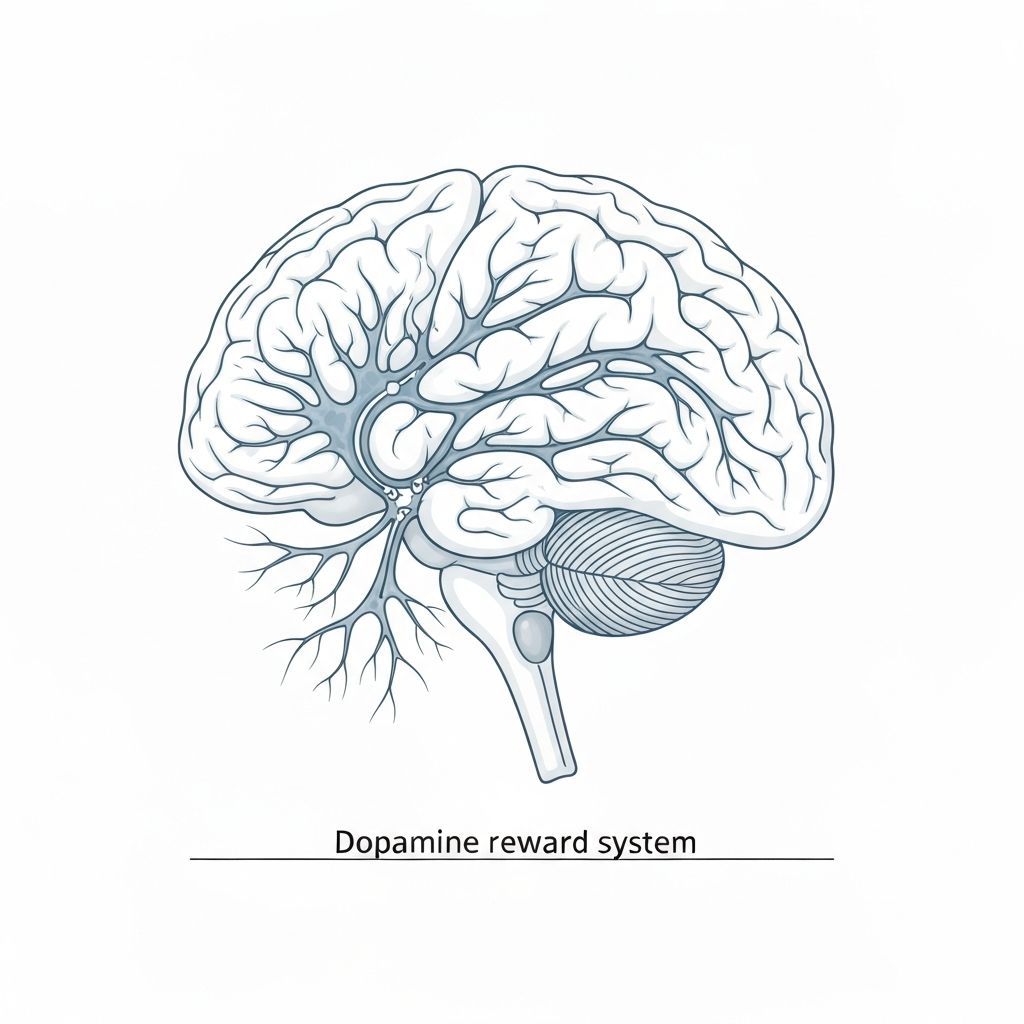
The Brain's Reward Systems
The human brain contains neural circuits specialised for evaluating reward value and motivating approach behaviour toward rewarding stimuli. These circuits, centred on dopamine-producing neurons in the ventral tegmental area and their projections to the nucleus accumbens, ventromedial prefrontal cortex, and other regions, evaluate how "good" or pleasant a stimulus is. For food, these reward circuits are particularly important, translating sensory characteristics (taste, smell, texture) and learned associations into subjective hedonic values—the subjective pleasantness of eating particular foods. Stress can substantially alter how these reward circuits evaluate food, increasing the appeal of certain foods whilst potentially decreasing the appeal of others.
Chronic stress shifts the brain's reward valuation system toward preferring energy-dense, highly palatable foods.
Hedonic Valuation and Liking vs Wanting
Food reward involves two partially dissociable components: "liking" (the subjective pleasantness of food taste) and "wanting" (the motivation to obtain and consume food). Neurobiologically, "liking" primarily involves opioid signalling, particularly in the nucleus accumbens and related regions. "Wanting" primarily involves dopamine signalling in projections from the ventral tegmental area to the nucleus accumbens and prefrontal cortex. Stress can affect both components, potentially increasing the "wanting" (motivational salience) of high-energy foods even if the actual "liking" (sensory pleasure) remains unchanged. This dissociation helps explain why stressed individuals sometimes feel driven to eat foods they might not necessarily find more enjoyable.
Dopamine Signalling and Stress
Stress exposure produces complex alterations in dopamine neurotransmission. Acute stress typically increases dopamine release, enhancing motivational salience of reward-associated cues. Chronic stress produces more complicated changes—potentially reducing baseline dopamine function whilst increasing reactivity to reward-associated cues. These dopamine system alterations can increase the salience (motivational importance) of food cues and reward-associated contexts, making food appear more attractive and motivating. Additionally, dopamine's role in reward prediction means that stressed individuals may become hypersensitive to cues predicting food availability.
Opioid System Involvement
The endogenous opioid system contributes importantly to food reward, particularly the hedonic pleasure (liking) component. Stress exposure can alter opioid receptor expression and opioid peptide availability in reward circuits. Some chronic stress paradigms enhance opioid-mediated hedonic responses to palatable foods, potentially increasing the subjective pleasure experienced when consuming high-energy foods. This stress-induced enhancement of opioid-mediated food reward may partly explain why stressed individuals sometimes report that palatable foods are particularly comforting—these foods may literally be providing enhanced opioid-mediated hedonic experience.
Food Cue Reactivity and Conditioning
Stress can enhance the conditioned associations between environmental cues and food rewards. Foods consumed during or after stressful periods become associated with stress relief through classical conditioning and reward learning. Repeated pairing of food consumption with stress reduction strengthens the learned association that these foods "feel good" in the context of stress. Subsequently, exposure to stress-associated cues (a particular food, place, or time of day) becomes capable of triggering reward-like brain responses and motivation to consume that food, even in the absence of physiological hunger.
Taste Perception and Stress
Stress exposure alters taste perception, potentially increasing preference for sweet and fatty tastes. Both sweet and fat tastes activate reward circuits, and stress-induced enhancement of reward sensitivity may increase subjective pleasantness of sweet and fatty foods. Additionally, stress affects taste bud sensitivity and olfactory function (smell perception), which together determine flavour perception. These alterations in basic taste and smell perception contribute to the shift toward preference for highly palatable, energy-dense foods during stress.
Prefrontal Cortex Function
The ventromedial prefrontal cortex participates in evaluating reward value and making food choices. Chronic stress is known to impair prefrontal cortex function, potentially reducing the ability to override reward-driven impulses and make choices based on long-term goals or health considerations. This stress-induced prefrontal hypofunction may make it more difficult to resist the appeal of highly rewarding foods, even when eating such foods is inconsistent with personal goals. The balance between limbic reward drive and prefrontal regulatory control becomes shifted toward reward-driven eating during chronic stress.
Self-Medication and Emotional Regulation
Beyond pure reward alterations, stress-induced changes in food choice may involve self-medication—conscious or unconscious consumption of rewarding foods to ameliorate negative emotional states. Eating palatable foods activates reward circuits and opioid systems, which can temporarily alleviate negative affect (mood). The learned association that eating produces mood improvement strengthens through repeated reinforcement during stress, creating a self-perpetuating cycle in which stress triggers food consumption, which produces temporary mood improvement, which reinforces stress-induced eating.
Research Evidence
Functional neuroimaging studies show enhanced reward circuit activation in response to high-energy foods following acute or chronic stress exposure. Behavioural studies document increased consumption of energy-dense foods and shift toward preference for sweet and fatty foods during stress. Animal models show stress-enhanced self-administration of palatable foods, mirroring human stress-eating patterns. Biochemical studies document altered dopamine and opioid signalling in reward circuits following stress. This convergent evidence supports the concept of stress-induced alterations in food reward evaluation and palatability preference.
Important Note: This information is educational only. It describes general physiological mechanisms but does not constitute medical or psychological advice. Individual food reward responses vary substantially. Consult qualified healthcare professionals for concerns about your eating patterns or stress.